
Prejuvenation 101: A Realistic Guide to Starting Botox and Sculptra in your 20s and 30s
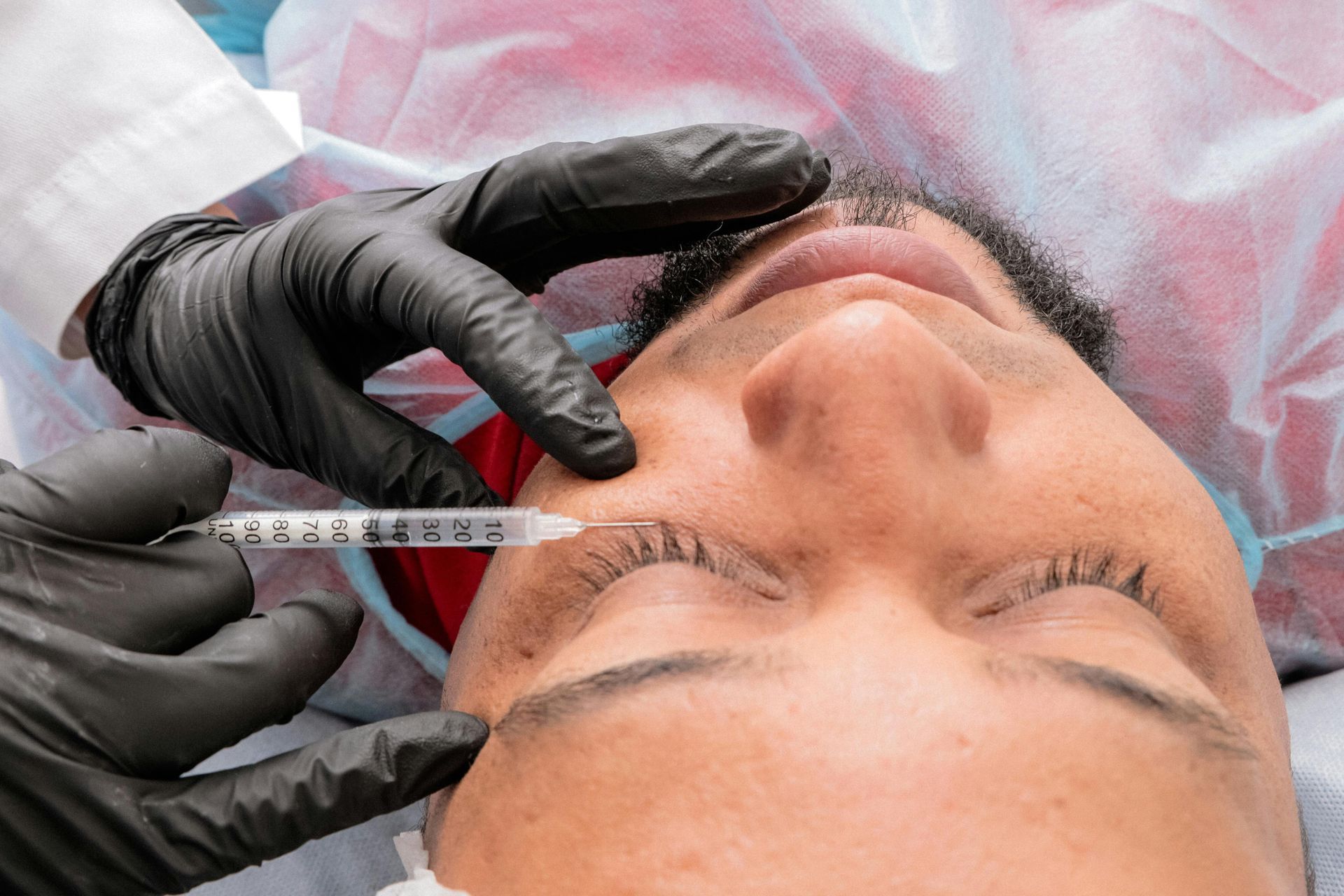
There was a time when the word Botox was associated almost exclusively with correcting deep lines that had already taken up permanent residence on the face. It was a reactive measure—something you did once the damage was done. Today, the conversation has shifted toward a concept called prejuvenation. If you live in a fast-paced city like Boston, you have likely heard the term in passing at a workout class in Seaport or over brunch in the South End.
Prejuvenation is the practice of starting subtle, preventative treatments in your 20s or early 30s to slow down the visible signs of aging before they become deep-set. At Boston Beautox, we see a growing number of patients who aren’t looking to change how they look, but rather to maintain the skin quality they currently have. This guide breaks down why this shift is happening, the science of how your skin changes in your 20s, and why a combination of Baby Botox and Sculptra is becoming the gold standard for long-term maintenance.
The Biological Shift: What Happens at Age 25?
To understand why people are starting treatments earlier, we have to look at the biology of the skin. Most of us feel invincible in our early 20s. However, around the age of 25, our body’s natural production of collagen and elastin begins to decelerate. Collagen is the structural protein that keeps skin firm and bouncy, while elastin allows the skin to snap back into place after you smile, squint, or frown.
On average, we lose about one percent of our collagen every year starting in our mid-20s. This decline is quiet at first. You might notice that your concealer creases a bit more by the end of the day or that your skin feels slightly less "plump" after a long week of work or travel. This is the beginning of skin laxity. When you add in external factors like UV exposure from summers on the Cape or the environmental stressors of city living, that degradation can speed up. Prejuvenation is about intervening in this process early to keep the skin’s foundation strong.
The Role of Baby Botox: Relaxing the Movement
One of the most common entries into prejuvenation is Baby Botox. The term simply refers to using smaller, strategic doses of botulinum toxin to achieve a very natural result. The goal here is not to freeze the face or eliminate all expressions. Instead, it is used to soften the repetitive muscle movements that eventually turn "dynamic" lines into "static" lines.
A dynamic line is a wrinkle that only appears when you move your face, such as the lines between your eyebrows when you’re focused on a laptop screen or the crow’s feet that appear when you laugh. A static line is a wrinkle that remains on your face even when your muscles are at rest. Once a line becomes static, it is much harder to treat.
By starting with micro-doses in your late 20s or early 30s, you are essentially "training" the muscles to move less aggressively. This prevents the skin from folding deeply in the same spot thousands of times a day. For most Boston professionals, the goal is to look refreshed and well-rested, as if they actually got eight hours of sleep and drank a gallon of water, even if their schedule says otherwise.
Click here to learn more about Botox.
Sculptra: The Long-Game for Collagen
While Botox handles the muscle movement, Sculptra addresses the foundation. Sculptra is different from traditional hyaluronic acid fillers. While a filler provides an immediate plumping effect by taking up space under the skin, Sculptra is a biostimulator. It is made of poly-L-lactic acid, which works with your body to rebuild lost collagen over time.
Think of Sculptra as a fertilizer for your skin’s natural collagen production. When injected, it triggers a localized response that encourages your body to produce new, healthy collagen strands. The results aren't instant; they develop over several months. This makes it a favorite for patients who want a "glow up" that no one can quite put their finger on.
In your 30s, using Sculptra is a proactive way to combat the hollow look that can start to appear in the temples or mid-face. By maintaining that volume early on, you can avoid the need for more significant, more expensive volume replacement in your 40s and 50s. It is an investment in the structural integrity of your face.
Click here to learn more about Sculptra.
Why the Combination Works
At Boston Beautox, we often recommend a synergistic approach. Botox and Sculptra work on two different layers of the aging process. Botox works on the surface level by smoothing out movement, while Sculptra works in the deeper dermis to ensure the skin remains thick and resilient.
When you combine these treatments, you are covering all bases. You are preventing the "etching" of lines on the surface while simultaneously ensuring the underlying "scaffold" of your skin doesn't collapse. This dual-action approach results in a much more natural, youthful appearance over the long term than if you were to wait ten years and try to fix everything at once.
Common Misconceptions About Early Injectables
A major barrier for many people considering prejuvenation is the fear of looking overdone or unnatural. This fear often stems from seeing over-treated celebrities or social media influencers. However, the reality of modern aesthetics is that the best work is invisible.
One common myth is that if you start Botox young, you will eventually need more and more of it. In reality, the opposite is often true. Because you are preventing the muscles from becoming overly strong and preventing the skin from thinning, patients who start early often find they can go longer between appointments as they get older.
Another concern is that your face will drop if you ever stop treatments. This is biologically impossible. If you decide to stop getting Botox or Sculptra, your skin will simply resume its natural aging process from the point where you left off. You will still be ahead of where you would have been had you never started, because you successfully preserved your collagen for those months or years.
The Importance of a Professional Consultation
Prejuvenation is not a one-size-fits-all strategy. Everyone ages differently based on their genetics, lifestyle, and even the way they sleep. Some people have very active foreheads and might need Botox earlier, while others might notice volume loss in their cheeks first and benefit more from Sculptra.
A consultation at Boston Beautox is about more than just picking a treatment off a menu. We look at your skin quality, your bone structure, and your goals. We also discuss your lifestyle. If you are an avid marathon runner or spend a lot of time outdoors, your skin might be under more stress than someone who spends most of their time in an office. We tailor the plan to make sure it fits into your life realistically.
Looking Ahead: The Maintenance Mindset
The trend toward prejuvenation reflects a broader cultural move toward wellness and self-care. Just as we go to the gym to maintain muscle tone or see a dentist to prevent cavities, aesthetic treatments are becoming a part of a regular maintenance routine.
By the time you reach your late 30s, the goal is to look like the best version of yourself, not a different version. Starting early with subtle, science-backed treatments like Baby Botox and Sculptra allows you to age on your own terms. It is about confidence and feeling as good on the outside as you do on the inside.
If you are curious about whether you are a candidate for prejuvenation, the best time to start the conversation is now. Small, thoughtful steps today lead to lasting, natural results for years to come. Whether you are noticing your first fine line or just want to ensure your skin stays as healthy as possible, the team at Boston Beautox is here to guide you through a plan that feels right for you.